How Contract Assembly Services Enhance Your Product Onboarding Process

Understanding Contract Assembly Services
What Are Contract Assembly Services?
Contract assembly services let companies hand off final product construction to specialized partners who handle component integration and finishing steps. These providers assemble parts into complete units that meet exact specifications while companies focus on core design and market efforts. A contract manufacturer brings equipment, trained staff, and established processes that speed up production without requiring internal expansion. Many firms discover that outsourcing this stage reduces lead times and frees resources for innovation rather than routine assembly tasks. Contract assembly services often include final testing and packaging so products reach customers ready for immediate use. This approach supports faster market entry because experts already maintain the workflow and quality checkpoints needed for consistent output. Companies that adopt these services report smoother transitions from prototype to volume production because the partner manages labor, tooling, and scheduling details.
Types of Contract Assembly Services
Contract assembly services cover several categories that match different product needs. Mechanical assembly involves fitting together housings, fasteners, and moving parts with precision tools. Electronic assembly adds circuit boards, wiring harnesses, and firmware loading under controlled conditions. Some providers specialize in finishing operations such as powder coating that protects surfaces and improves appearance. Others focus on full system integration that combines multiple subsystems into one functional unit. A contract assembly company may offer modular services so clients select only the steps they require. This flexibility helps businesses scale production up or down without investing in new facilities. Engineering support often accompanies these options, allowing rapid adjustments to designs when field feedback arrives. Firms that match their product type to the right service category gain both speed and reliability during the onboarding phase.
The Role of Contract Manufacturers in Onboarding
Contract manufacturers play a direct part in product onboarding by bridging the gap between development and commercial launch. They translate engineering drawings into repeatable build processes that new teams can follow without extensive training. Their involvement starts early with design reviews that catch manufacturability issues before tooling begins. Once production ramps, the manufacturer supplies steady output that supports marketing timelines and customer commitments. Logistics coordination becomes another strength because experienced partners already manage component sourcing and finished-goods shipping. This reduces delays that otherwise occur when internal teams juggle multiple suppliers. Quality control checkpoints embedded in the workflow ensure every unit meets agreed standards from the first production run. Companies that integrate contract manufacturers early see fewer surprises during onboarding and maintain tighter control over both cost and schedule.
Benefits of Contract Assembly Services in Product Onboarding
Enhancing Efficiency and Scalability
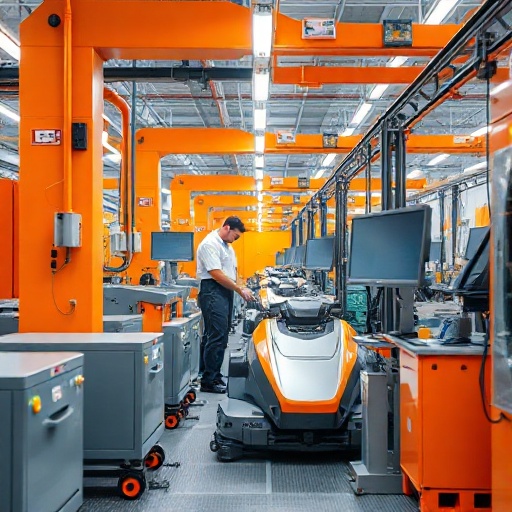
Contract assembly services improve efficiency by placing production in facilities already optimized for high-volume output. Dedicated lines and trained operators reduce setup time between batches and keep machines running at peak rates. Scalability follows naturally because the partner can add shifts or equipment without the client hiring and training new staff. During onboarding, this means companies meet sudden demand spikes without building extra capacity themselves. Lean manufacturing principles applied by the contract manufacturer further cut waste and shorten cycle times. Real-time data sharing between teams lets both sides adjust schedules quickly when forecasts change. The result is a smoother ramp that keeps inventory levels balanced and prevents stockouts during critical launch periods. Businesses gain the ability to test market response at different volumes before committing to permanent internal expansion.
Cost-Effectiveness of Outsourcing vs In-House
Outsourcing assembly often lowers total costs compared with building an in-house operation from scratch. Capital expenses for equipment, floor space, and certification drop away when a contract assembly provider already owns those assets. Labor costs become variable rather than fixed, rising only when production volume justifies it. Hidden expenses such as maintenance, training, and regulatory compliance also shift to the partner. During onboarding, these savings free budget for marketing and customer support activities that directly drive revenue. A careful comparison of quotes from several contract manufacturers reveals the true cost difference once all overhead categories receive proper accounting. Many companies find that the predictability of a single monthly invoice outweighs the perceived control of internal production. Over time, the reduced financial risk supports faster iteration on product designs without the burden of unused capacity.
Quality Control: Ensuring ISO 9001 Standards
Quality control forms the backbone of successful contract assembly services and directly supports reliable onboarding. Providers certified to ISO 9001 maintain documented procedures that track every step from incoming inspection to final audit. These systems catch defects early and trigger corrective actions before products leave the facility. Statistical process control and regular calibration of tools keep variation within tight limits. Clients receive detailed quality reports that document compliance and highlight improvement opportunities. When issues surface, the contract manufacturer supplies root-cause analysis and implements fixes quickly. This disciplined approach reduces returns and warranty claims that can damage brand reputation during a new product launch. Companies that insist on ISO 9001 certification from their assembly partner gain confidence that every shipment meets the same high bar regardless of volume fluctuations.
Key Considerations When Choosing a Contract Assembly Provider
Assessing Expertise in Engineering and Manufacturing
Evaluating a contract assembly provider begins with a close look at its engineering and manufacturing expertise. Experienced teams review customer designs for potential improvements that simplify assembly or enhance durability. They maintain up-to-date knowledge of materials, tolerances, and joining methods that affect both cost and performance. During onboarding, this depth of knowledge prevents costly redesign cycles. Site visits and capability audits reveal the actual equipment and process controls in place. References from similar projects demonstrate consistent results across multiple product types. Companies that select partners with strong engineering depth gain access to ongoing advice that improves future designs. The right provider also understands how small changes in component sourcing can affect lead times and final quality, offering practical alternatives before problems arise.
Evaluating Quality Assurance Practices
Quality assurance practices deserve thorough review before any agreement is signed. Ask for details on incoming material inspection, in-process checks, and final verification methods. Traceability systems should allow every unit to be linked back to specific batches of components and operators. Calibration records and training logs confirm that measurement tools and personnel stay current. Third-party audits and customer scorecards provide external validation of the provider’s claims. During onboarding, clear escalation procedures ensure that any quality deviation receives immediate attention. Companies that demand transparent quality data build a foundation of trust that supports long-term collaboration. The best contract assembly services treat quality as a shared responsibility rather than a gate that only the client enforces.
Understanding Logistics and Packaging Solutions
Logistics and packaging solutions determine how smoothly finished products reach end users. A capable contract assembly provider offers options for custom packaging that protects items during transit and presents them professionally upon arrival. Inventory management systems track finished goods and trigger replenishment automatically. Shipping coordination with multiple carriers keeps freight costs competitive while meeting delivery windows. During onboarding, these capabilities prevent the common bottleneck of products sitting in warehouses awaiting labels or cartons. Some providers also manage reverse logistics for returns and repairs, closing the loop on customer service. Clear communication of packaging specifications and labeling requirements early in the relationship avoids last-minute changes that delay shipments. Companies that align their logistics needs with the provider’s strengths experience fewer surprises once volume production begins.
Streamlining Your Onboarding Process with Contract Assembly
Integrating Prototyping and Fabrication
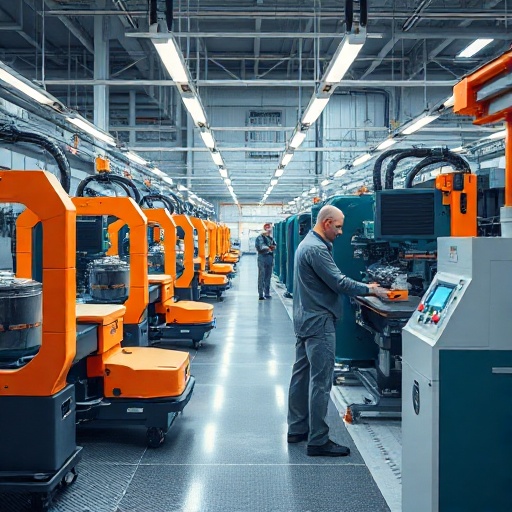
Integrating prototyping and fabrication with contract assembly services accelerates the path from concept to market. Early involvement of the assembly partner allows prototype builds that mirror final production methods, revealing issues while designs remain easy to change. Fabrication of custom fixtures and tooling happens in parallel so production ramps without waiting for new equipment. This overlap shortens overall onboarding timelines and reduces the risk of late-stage surprises. Engineers from both companies collaborate on design-for-manufacturability reviews that improve yield from the first production lot. The result is a continuous flow of information that keeps schedules realistic and budgets intact. Companies that treat prototyping and assembly as connected phases rather than separate projects gain measurable speed advantages during critical launch windows.
Utilizing Lean Manufacturing Principles
Lean manufacturing principles applied by contract assembly services eliminate waste and create predictable flow. Value-stream mapping identifies non-value-added steps that slow production or increase handling. 5S workplace organization and standardized work instructions keep every station efficient and repeatable. Pull systems tied to actual customer demand prevent overproduction and excess inventory. During onboarding, these practices translate into shorter cycle times and lower carrying costs. Continuous improvement events invite client participation so both parties refine processes together. The disciplined use of lean tools also supports rapid scaling because the underlying workflow already runs at high efficiency. Companies that choose partners committed to lean principles see compounding gains in both speed and cost control over successive product launches.
The Impact of Expert Collaboration on Onboarding Success
Expert collaboration between a company and its contract assembly provider drives onboarding success through shared knowledge and aligned goals. Regular design reviews and production meetings surface opportunities for improvement before they become problems. Cross-functional teams that include engineering, quality, and logistics personnel solve issues faster than isolated departments. During the critical early production phase, this collaboration maintains momentum and prevents small deviations from growing into major delays. The contract manufacturer’s experts bring lessons from previous projects that shorten the learning curve for new products. Trust built through transparent communication allows both sides to focus on results rather than oversight. Companies that cultivate these partnerships report higher first-pass yields, tighter delivery performance, and ultimately stronger customer satisfaction at launch.
See Also
- ISO 9001 Certification and Its Impact on Contract Assembly Quality Assurance
- The Role of Engineering Expertise in High-Quality Contract Assembly Services
- Unlocking Efficiency with Expert Contract Assembly Services for Your Manufacturing Needs
- Maximizing Scalability and Quality Control with Professional Contract Assembly
- Understanding the True Costs of In-House vs Outsourced Contract Assembly