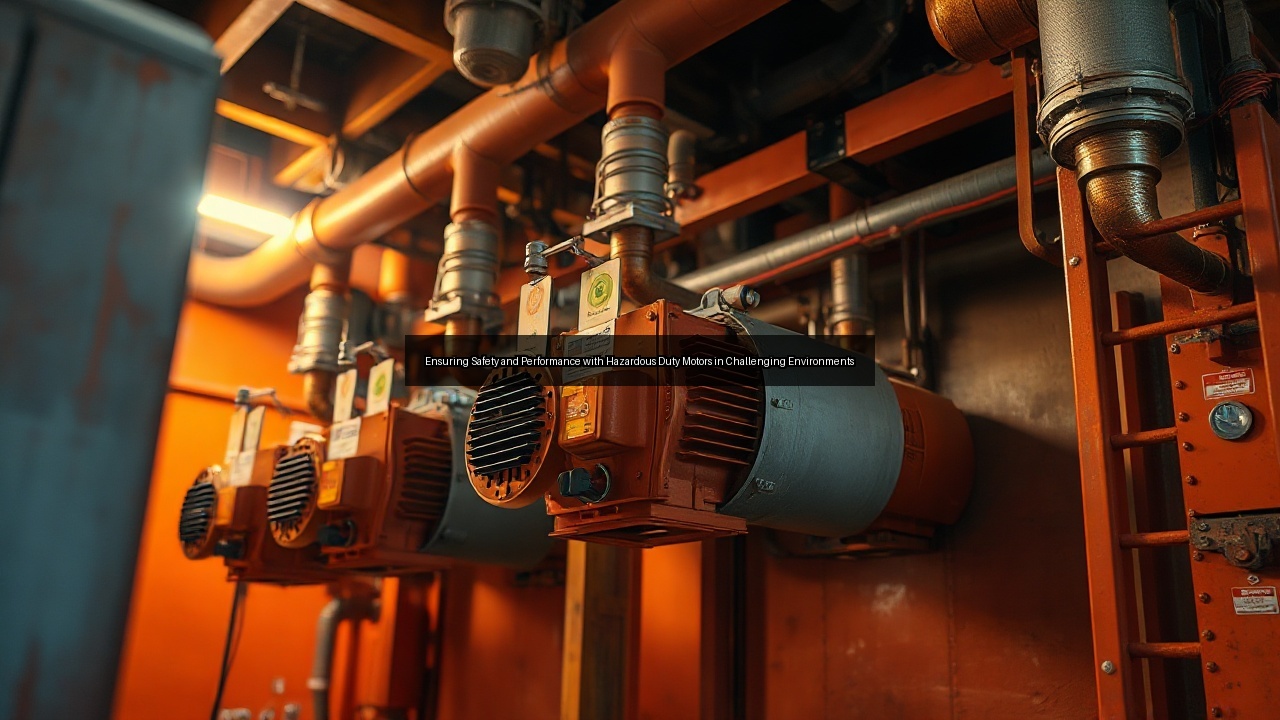
Ensuring Safety and Performance with Hazardous Duty Motors in Challenging Environments
Understanding Hazardous Location Motors
What Are Hazardous Location Motors?
Hazardous location motors are specialized electric motors designed to operate safely in environments where flammable gases, vapors, dusts, or liquids may be present. These motors prevent ignition sources that could lead to catastrophic events, making them essential in various industries. The design and construction of hazardous duty motors comply with stringent safety standards to ensure that they can withstand extreme conditions without compromising performance. Typically, these motors find utility in sectors such as oil and gas, chemical processing, pulp and paper, and data centers. Understanding the specific requirements of these locations is crucial for selecting the right motor that can endure the challenges posed by hazardous environments.
Key Features of Hazardous Duty Motors
Hazardous duty motors possess several key features that set them apart from standard electric motors. First, they often include robust enclosures designed to prevent the entry of hazardous substances. These enclosures are built to provide a high level of ingress protection, reducing the risk of ignition. Additionally, hazardous location motors may utilize special materials that resist corrosion and withstand extreme temperatures, ensuring longevity and reliability. Another critical feature is the ability to operate at various frequencies, catering to specific industrial needs. Incorporating advanced technologies like BLDC (Brushless DC) motors enhances energy efficiency and performance, making them ideal for challenging applications in hazardous settings.
Common Applications in Challenging Environments
Hazardous location motors find applications across numerous industries. In the oil and gas sector, these motors power pumps and compressors, essential for extraction and processing. The chemical industry utilizes them for agitators and mixers, where the risk of ignition is significant. Pulp and paper facilities rely on hazardous duty motors for equipment like conveyors and drying systems, where dust accumulation poses a fire hazard. Data centers utilize specialized motors for cooling systems, ensuring equipment remains operational. These applications demonstrate the versatility and importance of hazardous location motors in maintaining safety and efficiency in environments that pose significant risks.
Safety Standards and Regulations
Importance of NEMA and EASA Certifications
NEMA (National Electrical Manufacturers Association) and EASA (Electrical Apparatus Service Association) certifications are vital for hazardous location motors. motors for hazardous location These certifications ensure that motors meet specific safety and performance standards. NEMA ratings indicate the motor's ability to perform in various environmental conditions, while EASA certification guarantees that the motor has undergone rigorous testing for quality and reliability. Compliance with these standards not only enhances safety but also assures operators that the motors are suitable for hazardous environments. Choosing motors with these certifications provides an additional layer of protection, minimizing the risk of ignition and ensuring operational integrity in challenging applications.
Understanding Hazardous Location Classifications
Hazardous locations are classified based on the potential presence of flammable materials. The National Fire Protection Association (NFPA) and the Occupational Safety and Health Administration (OSHA) provide guidelines that categorize environments into Classes and Divisions. Class I locations include those where flammable gases or vapors exist, while Class II covers locations with combustible dust. Each class further divides into divisions that specify the severity of the hazard. Understanding these classifications is crucial for selecting the appropriate hazardous location motors, as each motor type is designed to withstand specific conditions. Proper classification ensures compliance with safety regulations and helps prevent ignition in potentially dangerous environments.
Regulatory Compliance for Industrial Motors
Regulatory compliance is essential for industrial motors operating in hazardous environments. Adhering to local, state, and federal regulations ensures safety and reliability. Manufacturers must follow strict guidelines set forth by organizations like NEMA and EASA, which dictate design, testing, and labeling procedures. Regular inspections and maintenance are also crucial for compliance. Operators must maintain records to demonstrate adherence to safety protocols. Failure to comply can lead to severe consequences, including fines and increased liability. Therefore, understanding the regulatory landscape and ensuring compliance is a vital aspect of managing hazardous location motors effectively.
Performance and Reliability in Hazardous Environments
Design Considerations for Dusts and Vapors
Design considerations for hazardous duty motors focus on preventing ignition from dusts and vapors. Manufacturers implement features such as explosion-proof enclosures that contain potential explosions and prevent the ignition of surrounding materials. The materials used in construction must resist corrosion and withstand high temperatures, ensuring that motors operate efficiently in harsh conditions. Additionally, the motors often include sealed bearings and gaskets to prevent the intrusion of hazardous substances. Proper thermal management is also crucial; overheating can lead to failures and ignition. These design elements work together to enhance performance and reliability in environments where safety is paramount.
Cooling Towers and Gas Compressors: Unique Challenges
Cooling towers and gas compressors present unique challenges for hazardous location motors. In cooling towers, motors must operate in humid and corrosive environments, which can lead to rapid wear and failure. Selecting motors with protective coatings and corrosion-resistant materials is essential for longevity in such applications. Gas compressors, on the other hand, face high pressure and potential exposure to flammable gases. Motors in these settings must be designed to handle significant force and maintain operational integrity under extreme conditions. Understanding the specific challenges associated with each application allows for the selection of motors that ensure reliable performance and safety in hazardous locations.
The Role of Single Phase and BLDC Motors
Single phase and BLDC (Brushless DC) motors play motors for hazardous location significant roles in hazardous environments. Single phase motors are commonly used in applications requiring lower power and are often easier to install and maintain. They provide sufficient torque for many industrial applications, making them versatile options. BLDC motors, however, offer advantages in energy efficiency and performance. Their design allows for smoother operation and reduced wear, making them ideal for prolonged use in demanding conditions. Both motor types must be selected based on the specific requirements of the application, ensuring that they meet performance standards while adhering to safety regulations in hazardous locations.
Maintenance and Repair Strategies
Warranty Considerations for Hazardous Duty Motors
Warranty considerations for hazardous duty motors are crucial for ensuring long-term reliability and performance. Manufacturers typically offer warranties that cover defects in materials and workmanship, but the terms can vary significantly. Understanding the warranty's scope is essential for operators, as certain conditions may apply, especially in hazardous environments. Regular maintenance often plays a role in warranty validity, meaning operators must adhere to recommended service intervals and procedures. By choosing motors from reputable manufacturers with comprehensive warranty options, operators can safeguard their investment and mitigate the risks associated with equipment failure in challenging environments.
Best Practices for Motor Maintenance in Plants
Implementing best practices for motor maintenance in plants enhances the reliability of hazardous location motors. Regular inspections should focus on identifying signs of wear, corrosion, and thermal issues. Lubrication of bearings and moving parts is essential to reduce friction and extend motor life. Keeping the surrounding area clean and free from dust and debris minimizes fire hazards and ensures efficient cooling. Operators should also maintain detailed records of maintenance activities to track performance over time and identify trends. Training personnel in proper maintenance procedures ensures that everyone understands the importance of safety and reliability in managing hazardous duty motors.
Choosing the Right Distributor for Repairs
Selecting the right distributor for hazardous duty motor repairs is vital for maintaining safety and performance. A qualified distributor should understand the specific requirements of hazardous locations and offer motors that meet industry standards. Look for distributors with a solid reputation and experience in servicing hazardous duty motors. They should provide access to genuine replacement parts and offer technical support for troubleshooting and repairs. A reliable distributor will also be familiar with warranty considerations and compliance regulations, motors for hazardous location ensuring that repairs align with safety protocols. Building a strong relationship with a trusted distributor enhances operational efficiency and safety in hazardous environments.