The Future of Injection Molding How Thermosets are Revolutionizing Plastic Production
Understanding Injection Molding and Thermosets
The Basics of Injection Molding
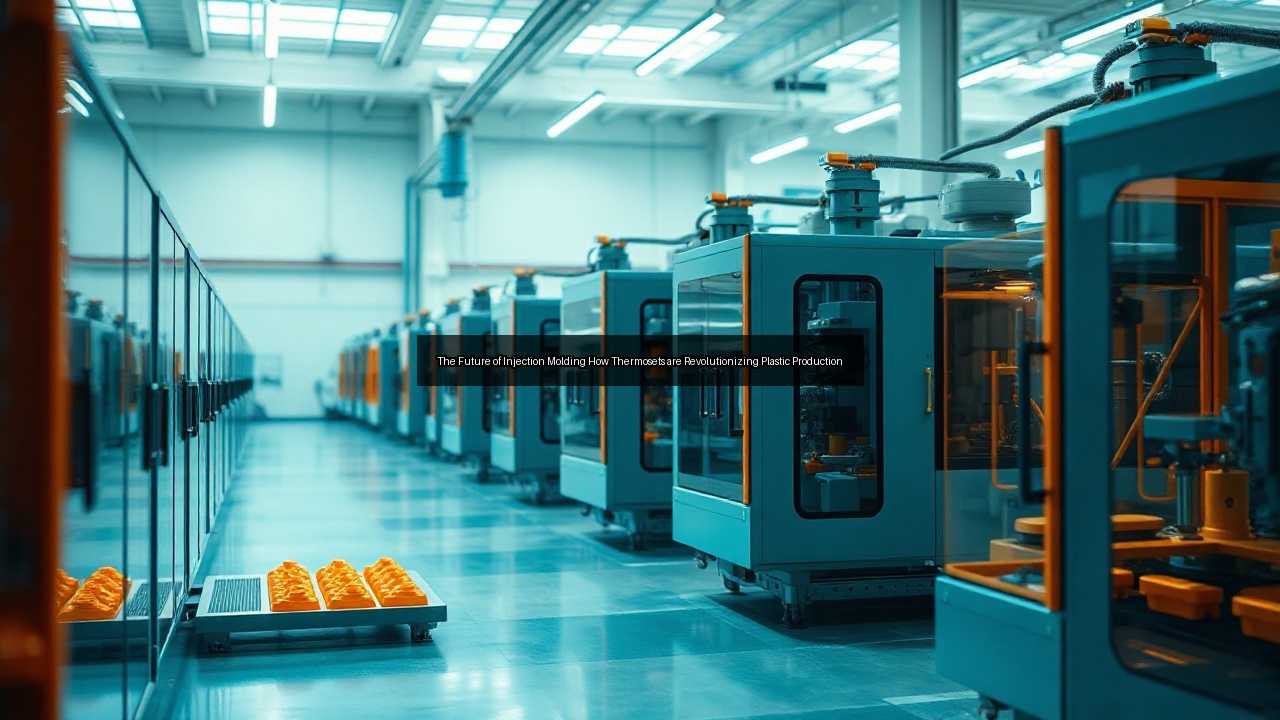
Injection molding represents a cornerstone of modern manufacturing, especially in the plastics industry. This process involves injecting molten plastic materials into a mold to create a wide variety of shapes and components. The injection molding process begins with heating thermoplastic or thermoset materials until they reach a pliable state. Once heated, the molten material is injected under high pressure into a mold cavity, where it cools and solidifies into the desired form. This method allows for high-volume production, precision, and repeatability, making it ideal for creating everything from automotive parts to consumer goods. The versatility of injection molding, combined with its efficiency, has positioned it as a preferred choice in manufacturing.
Distinguishing Thermoplastics from Thermosets
Understanding the difference between thermoplastics and thermosets is crucial for selecting the appropriate materials in injection molding. Thermoplastics, such as acrylonitrile butadiene styrene (ABS) and polypropylene, can be melted and reshaped multiple times without significant chemical change. This characteristic makes them suitable for applications requiring flexibility and recyclability. On the other hand, thermosets undergo a chemical change during the curing process, resulting in a rigid structure that cannot be remolded. Once set, thermoset materials withstand higher temperatures and exhibit superior chemical resistance. This distinction not only impacts the performance of the final product but also influences manufacturing techniques and sustainability considerations.
Key Benefits of Thermoset Materials in Production
Thermoset materials offer several advantages that enhance the injection molding process. First, their structural integrity under high heat makes them ideal for applications in automotive and aerospace industries, where durability is paramount. Second, thermosets resist deformation, providing a stable, long-lasting product. Their excellent resistance to chemicals and moisture also opens doors for use in harsh environments, such as electrical and industrial applications. Additionally, thermoset injection molding can lead to reduced cycle times compared to traditional thermoplastic injection molding, resulting in increased efficiency and lower production costs. These benefits position thermosets as a revolutionary option in the plastic production landscape.
Innovations in Thermoset Injection Molding
Advancements in Thermoset Polymers
Recent advancements in thermoset polymers have revolutionized injection molding techniques. Researchers and manufacturers are developing new formulations that enhance the properties of thermosets, making them more competitive with thermoplastics. Innovations in epoxy resins and polyurethane formulations, for example, have led to lighter, stronger, and more flexible materials. These advancements enable the production of intricate designs and complex geometries injection molding thermosets that were previously unattainable. Moreover, the introduction of additive manufacturing techniques combined with thermoset injection molding allows for rapid prototyping and customization, meeting the demands of niche markets. Such innovations not only improve production efficiency but also expand the possibilities for product development across various industries.
The Role of Chemicals in Thermoset Molding
Chemicals play a vital role in the thermoset molding process. Various additives, such as curing agents and fillers, enhance the performance of thermoset materials. Curing agents initiate the cross-linking process, transforming the liquid resin into a solid structure. Fillers can improve mechanical properties, reduce costs, and enhance the thermal stability of the final product. Furthermore, the careful selection of these chemicals can influence the process's environmental impact and the recyclability of the thermoset product. Manufacturers increasingly focus on eco-friendly chemicals that minimize harmful emissions during production. This commitment to sustainability aligns with the growing demand for environmentally responsible practices in the plastics industry.
Case Studies: Successful Applications of Thermoset Injection Molding
Various case studies illustrate the successful application of thermoset injection molding across industries. In the automotive sector, companies have utilized thermoset materials for producing lightweight components that enhance fuel efficiency without compromising strength. For example, some manufacturers employ thermoset composites in structural parts, capitalizing on their superior mechanical properties. In the electrical industry, thermosets are preferred for producing insulators and circuit boards due to their excellent thermal and electrical resistance. These applications showcase the versatility and reliability of thermosets in demanding environments. As more industries recognize the advantages of thermoset injection molding, the trend towards adopting these materials is likely to grow.
Environmental Impact and Recyclability
Comparative Analysis: Thermoplastics vs Thermosets
The environmental impact of thermoplastics and thermosets diverges significantly. Thermoplastics, often favored for their recyclability, can be reprocessed multiple times, minimizing waste. However, this characteristic can also lead to a culture of disposability. In contrast, thermosets generally lack recyclability due to their irreversible chemical structure once cured. This limitation poses challenges for sustainable practices in plastic production. However, advancements in chemical recycling processes and the development of biodegradable thermoset materials are promising avenues for improving the sustainability of thermoset products. A thorough comparative analysis highlights the need for balancing performance, recyclability, and environmental responsibility in selecting injection molding materials.
The Future of Sustainability in Plastic Production
Sustainability remains a pressing concern in the plastics industry. The evolution of thermoset materials reflects a commitment to more sustainable practices. Manufacturers are increasingly prioritizing eco-friendly formulations and exploring alternative raw materials derived from renewable sources. Innovations in biobased thermosets, which utilize plant-based feedstocks, demonstrate potential for reducing reliance on fossil fuels. Additionally, improving the life cycle assessment of thermoset products can lead to more responsible production practices. As consumers demand transparency and accountability from manufacturers, the push for sustainable plastic production will likely continue to shape the future landscape of injection molding.
Exploring Recyclability Options for Thermosets
Recyclability options for thermosets are evolving. Traditional thermosets present challenges in recycling due to their cross-linked structure, which makes reprocessing difficult. However, research into chemical recycling methods offers hope. These methods involve breaking down the thermoset materials into their original monomers, allowing for the creation of new thermosets. Additionally, companies are exploring the use of thermosets that can be reprocessed or even designed for biodegradability. As the industry seeks to align with circular economy principles, the exploration of recyclability options for thermosets becomes essential. This focus not only addresses environmental concerns but also opens new avenues for innovation in plastic production.
Industry Standards and Future Outlook
ISO 13485 and Its Importance in Injection Molding
ISO 13485 serves as a critical standard for organizations involved in the design and manufacture of medical devices, including those utilizing injection molding. This standard emphasizes quality management systems and ensures that products meet regulatory requirements while enhancing customer satisfaction. Adhering to ISO 13485 is particularly important for manufacturers of thermoset injection molded components used in medical applications, such as implants and diagnostics. Compliance with this standard not only fosters consumer trust but also streamlines production processes and reduces waste. As industries continue to prioritize quality and safety, the relevance of ISO 13485 in injection molding will only increase.
Predictions for the Future of Thermoset Plastics
The future of thermoset plastics looks promising as technology and innovation drive the industry forward. Industry experts predict an increase in demand for thermosets across various sectors, fueled by their superior properties and performance. The automotive, aerospace, and electronics industries will likely lead this growth, as manufacturers seek lightweight, durable, and heat-resistant materials. Furthermore, injection molding materials ongoing research into bio-based thermosets and improved recycling methods will enhance their appeal. As the market for thermoset injection molding expands, manufacturers must remain agile, adapting to trends and consumer demands while pushing the boundaries of technology.
Challenges and Opportunities in Thermoset Injection Molding
Thermoset injection molding presents both challenges and opportunities for manufacturers. One significant challenge involves the complexity of the curing process, which requires precise control over temperature and timing. Inadequate control can lead to defects and compromised product quality. However, advancements in automation and process monitoring technologies are addressing these hurdles. Additionally, the market's shift towards sustainability creates opportunities for innovation in thermoset materials and recycling methods. Manufacturers capable of adapting to these challenges while capitalizing on new opportunities will find themselves at the forefront of the evolving injection molding landscape. The potential for growth in thermoset injection molding remains vast, promising exciting developments ahead.