The Role of Galvanized Steel in Modern Construction
Understanding Galvanized Steel
What is Galvanized Steel?
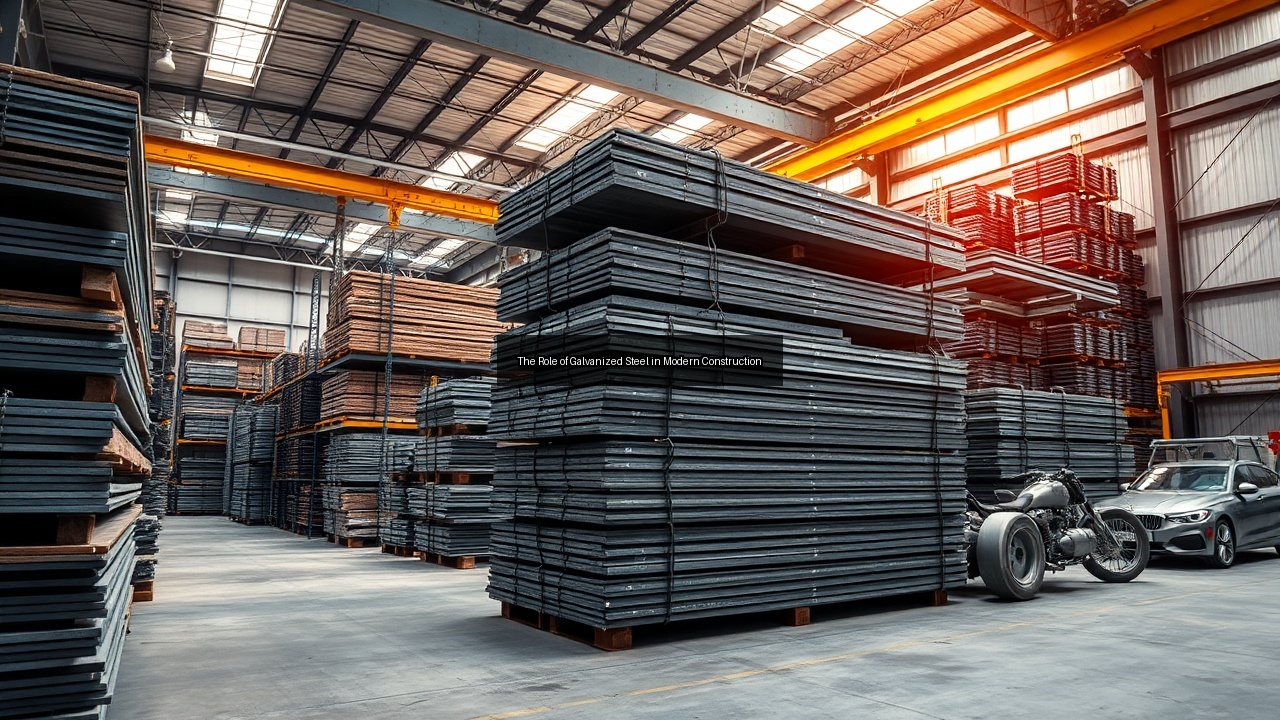
Galvanized steel is a type of steel that has undergone a protective zinc coating process to prevent rusting and corrosion. This method involves submerging the steel in molten zinc, creating a durable barrier that protects the underlying metal. The galvanized coating adheres strongly to the steel, providing long-lasting defense against environmental factors such as moisture and temperature fluctuations. Galvanized steel is particularly popular in construction due to its excellent performance under harsh conditions, making it an ideal choice for projects that demand longevity and reliability. It’s important to distinguish between galvanized steel and other types of steel, as each has unique properties and applications.
Benefits of Using Galvanized Steel in Construction
The benefits of utilizing galvanized steel in construction projects are numerous. First, the zinc coating significantly enhances the material's resistance to corrosion, extending the lifespan of structures. This durability translates into lower maintenance costs over time, as galvanized steel does not require frequent replacements or repairs. Additionally, galvanized steel exhibits high strength-to-weight ratios, which allows for the construction of lighter yet robust frameworks. In terms of environmental impact, galvanized steel is recyclable, contributing to sustainable building practices. steel metal distributor Its versatility makes it suitable for various applications, from roofing to structural supports, ensuring that construction professionals can rely on galvanized steel for a wide array of projects.
Comparison with Other Steel Types: Tool Steel and Stainless Steel
When comparing galvanized steel with other steel types such as tool steel and stainless steel, distinct differences emerge. Tool steel, designed for manufacturing tools and dies, excels in hardness and wear resistance but lacks the corrosion resistance found in galvanized steel. On the other hand, stainless steel is renowned for its corrosion resistance but comes at a higher cost. While galvanized steel provides a balance between affordability and durability, stainless steel offers superior aesthetics and strength in specific applications. Each steel type serves unique functions within the construction industry, and the choice often hinges on project requirements, budget constraints, and environmental considerations.
The Importance of Steel Distributors in Modern Construction
Role of Steel Distributors in Supply Chain Management
Steel distributors play a crucial role in the supply chain management of construction materials. They act as intermediaries between steel manufacturers and end users, ensuring that various types of steel, including galvanized, hot rolled, and high-speed steel, are readily available for construction projects. Distributors manage inventory levels, streamline logistics, and facilitate timely deliveries, which are essential for maintaining project schedules. Their expertise in the steel market allows them to understand customer needs and provide tailored solutions. By efficiently coordinating the flow of metals from producers to consumers, steel distributors significantly contribute to the overall efficiency of modern construction.
How Steel Distributors Influence Pricing and Availability
Pricing and availability of steel largely hinge on the dynamics established by steel distributors. They negotiate contracts with manufacturers, which can affect the cost of steel for construction projects. Due to fluctuations in supply and demand, distributors often adjust their pricing strategies to remain competitive. This responsiveness can provide customers with access to affordable steel during times of scarcity or high demand. Furthermore, distributors' relationships with multiple suppliers allow them to source various types of steel, including tool steels and stainless steel, ensuring that construction firms have numerous options available. By understanding these relationships, companies can make informed decisions that impact their bottom lines.
Types of Steel Distributed: Hot Rolled, High Speed Steel, and More
Steel distributors handle an extensive range of steel types, including hot rolled and high-speed steel, each serving specific functions in construction and manufacturing. Hot rolled steel, known for its malleability, is often used in structural components, while high-speed steel is essential for cutting tools and machinery due to its ability to withstand high temperatures. Distributors ensure that these metals are available in various shapes and sizes to meet the unique needs of customers. By offering a comprehensive selection of steel products, distributors empower construction firms to select the right materials for their projects, enhancing overall efficiency and quality.
Applications of Galvanized Steel in Construction Projects
Use in Structural Frameworks and Supports
Galvanized steel plays a significant role in constructing structural frameworks and supports. Its strength and durability make it suitable for beams, columns, and trusses that require reliable support. Construction professionals often prefer galvanized steel for its resistance to rust and corrosion, especially in environments prone to moisture. This application not only ensures the longevity of distributes steel the structures but also contributes to the safety of buildings and infrastructure. The lightweight nature of galvanized steel allows for easier handling and installation, further streamlining the construction process. As a result, it remains a favored choice for architects and engineers alike.
Application in Vehicle Manufacturing and Automotive Components
Beyond construction, galvanized steel finds significant applications in vehicle manufacturing and automotive components. The automotive industry relies on this steel due to its resistance to corrosion, especially in parts exposed to harsh environmental conditions. Galvanized steel is commonly used in body panels, frames, and undercarriages, enhancing the vehicle's durability and lifespan. Its cost-effectiveness compared to stainless steel makes it an attractive option for manufacturers aiming to balance quality and affordability. The automotive sector’s increasing focus on sustainability also aligns with the recyclability of galvanized steel, making it a responsible choice for modern vehicle production.
Galvanized Steel in Pump and Pipe Systems
Galvanized steel is a preferred material for pump and pipe systems due to its corrosion-resistant properties. Water and wastewater management systems benefit from using galvanized steel pipes, which can withstand exposure to moisture and chemicals without deteriorating. This resilience ensures the reliability of water supply and drainage systems, crucial for both residential and industrial applications. Additionally, the smooth surface of galvanized pipes facilitates efficient fluid flow, minimizing pressure loss during transportation. Contractors often choose galvanized steel for these systems because it combines durability with cost-effectiveness, ensuring long-term performance and reduced maintenance needs.
Choosing the Right Steel Distributor for Your Needs
Factors to Consider When Selecting a Steel Distributor
Choosing the right steel distributor involves several critical factors. Start by evaluating the distributor’s reputation and experience in the industry. Look for distributors that specialize in the types of steel required for your projects, such as galvanized, tool steel, or high-speed steel. Assess their inventory levels to ensure they can meet your demands without delays. Additionally, consider the distributor's ability to provide timely deliveries and flexible ordering options. Customer service plays a vital role in building strong relationships, so prioritize distributors known for their responsiveness and support. Making an informed choice can significantly impact the success of your construction projects.
The Impact of Distributor Relationships on Project Success
Strong relationships with steel distributors can greatly influence project success. A reliable distributor ensures that materials are available when needed, reducing delays that can derail construction timelines. Open lines of communication allow for quick problem-solving, whether it involves sourcing specific steel types or addressing quality concerns. Additionally, established relationships often lead to better pricing and more favorable terms, enhancing the overall budget management of a project. Companies that invest in building rapport with their distributors often find themselves equipped to handle challenges more effectively, leading to smoother operations and successful project outcomes.
Navigating Pricing and Quality in Steel Distribution
Navigating pricing and quality in steel distribution requires a strategic approach. Begin by obtaining quotes from multiple distributors to compare prices, but don’t sacrifice quality for cost. Consider the reputation of the steel distributor and the quality of the materials they provide. Look for certifications or industry standards that validate their products. Additionally, engage in discussions about bulk purchasing options, as they can lead to significant savings. Understanding the balance between pricing and quality ensures that construction projects remain within budget while obtaining the best materials for durability and performance.