The Ultimate Guide to Choosing the Right Welding Electrode Oven
Understanding Welding Electrode Ovens
What is a Welding Electrode Oven?
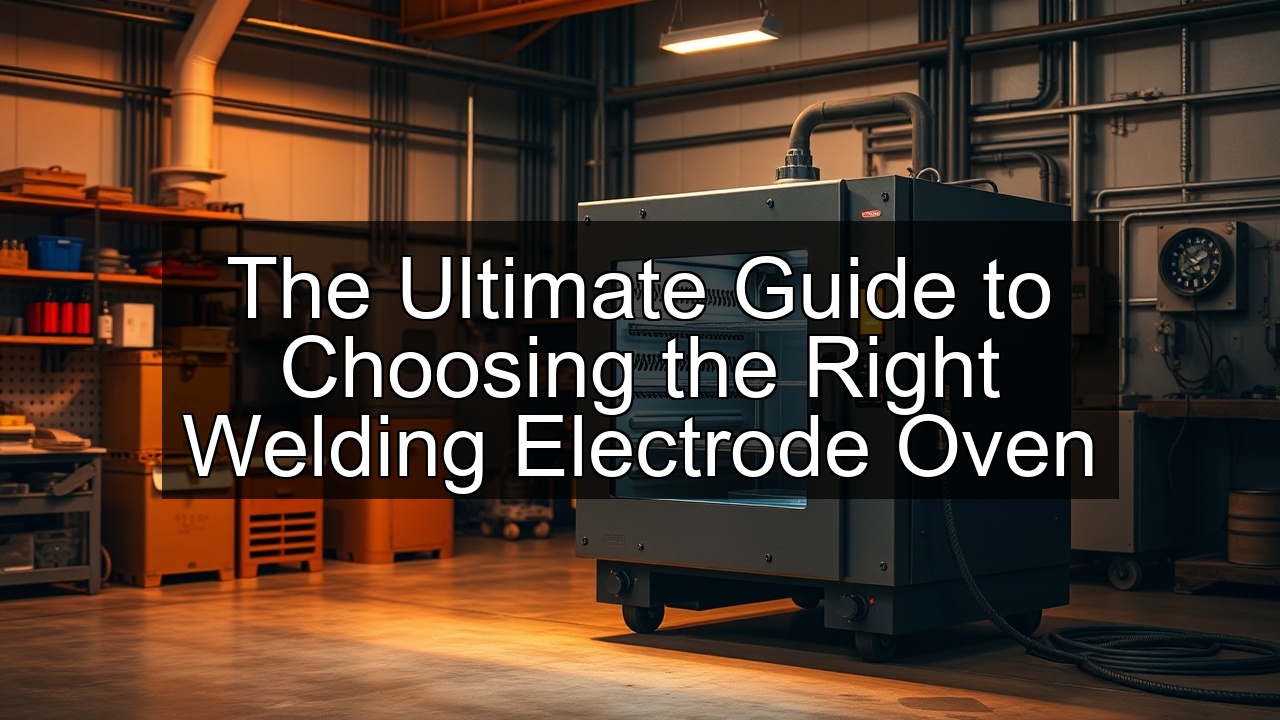
A welding electrode oven is a specialized piece of equipment designed to maintain the optimum temperature and humidity levels for storing welding electrodes. These ovens, often referred to as welding electrode drying ovens, cater to various types of electrodes including those used for TIG (Tungsten Inert Gas) welding. By utilizing regulated heat, these ovens effectively preserve the quality of the electrodes, ensuring they remain dry and free from moisture, which can significantly affect weld quality. Manufacturers offer a range of models that vary in size and capacity, with some capable of accommodating up to 450lb of electrodes. Understanding the functionality and importance of these ovens is essential for any welding professional aiming to achieve high-quality welds consistently.
Importance of Proper Storage for Electrode Quality
Proper storage of welding electrodes directly impacts the effectiveness of the welding process. Electrodes exposed to moisture can suffer from oxidation, leading to the formation of hydrogen during welding. This hydrogen can cause cracking in the welds, resulting in compromised structural integrity. By utilizing a welding electrode oven, welders can maintain the integrity of their electrodes, ensuring they perform optimally during use. Additionally, maintaining the right temperature prevents the degradation of the flux coating, which is crucial for producing high-quality welds. Investing in a welding electrode oven not only enhances the lifespan of the electrodes but also guarantees superior performance in various welding applications, making it an essential tool in any welding shop.
Key Considerations When Choosing a Welding Electrode Oven
Capacity Options: Finding the Right Size for Your Needs
Selecting the right capacity for a welding electrode oven is vital to accommodate the specific requirements of your welding operations. Ovens come in various sizes, with some models designed for small-scale operations while others can hold large quantities of electrodes, up to 450lb. Assess your typical workload and the number of electrodes you use regularly. For high-volume projects, a larger oven may be necessary to ensure a steady supply of ready-to-use electrodes. Conversely, for individual or low-volume use, a smaller model may suffice. Understanding your needs allows you to choose an oven that not only meets your storage requirements but also optimizes your workspace efficiency.
Temperature Control Features and Their Impact on Flux
Temperature control is a critical factor when selecting a welding electrode oven. Precision in maintaining the correct temperature ensures that the electrodes remain dry and the flux coating stays intact. Many modern ovens come equipped with digital thermostats that allow for accurate temperature adjustments. Some units also feature alarms for temperature fluctuations, alerting users to any issues that may compromise electrode quality. A stable temperature range is essential for preserving the integrity of the flux, which plays a vital role in the welding process by protecting the weld pool from impurities. Consider an electrode oven with advanced temperature control features to ensure that your welding accessories function at their best.
Energy Efficiency and Operating Costs
Energy efficiency is an increasingly important consideration for any business looking to reduce operational costs. Welding electrode ovens vary significantly in energy consumption. When choosing an oven, look for energy-efficient models that provide robust insulation to minimize heat loss. This not only reduces electricity bills but also contributes to a more sustainable operation. Some manufacturers highlight energy ratings, making it easier for customers to choose ovens that are both effective and cost-efficient. Investing in a welding electrode oven that balances performance with energy efficiency can lead to substantial savings over time, making it a smart choice for any welding shop.
Top Brands in Welding Electrode Ovens
Overview of Lincoln Electric Welding Ovens
Lincoln Electric stands out as a leading manufacturer of welding equipment, including high-quality welding electrode ovens. Their products are known for their durability, efficiency, and advanced features. Lincoln Electric offers a range of models suitable for different capacities, making it easy for welders to find an oven that meets their needs. The brand’s commitment to innovation ensures that their electrode ovens come equipped with modern technology, such as precise temperature controls and energy-saving features. Customer feedback frequently highlights the reliability and performance of Lincoln Electric ovens, reinforcing their reputation as a trusted choice in the welding industry.
Comparing Other Leading Manufacturers
While Lincoln Electric is a prominent name, several other manufacturers also produce high-quality welding electrode ovens. Brands like Miller Electric, ESAB, and Hobart each offer unique features and capacities tailored to diverse welding needs. Miller Electric, for instance, is known for its robust design and user-friendly interfaces, while ESAB provides ovens with advanced temperature management systems. Hobart, on the other hand, focuses on affordability without compromising performance. When comparing these brands, consider factors such as warranty options, customer support, and specific features that align with your welding operations. Customer reviews often provide insightful perspectives, so be sure to explore feedback from fellow welders to make an informed choice.
Customer Reviews and Recommendations
Customer reviews play a crucial role in understanding the performance and reliability of welding electrode ovens. Many welders share their experiences with various models, offering insights into the quality of welds achieved using different brands. Positive reviews often highlight features such as efficient temperature control, spacious capacity, and overall durability. Customers frequently recommend brands that provide excellent customer service, as this support can be invaluable for troubleshooting and maintenance. Before making a purchase, take the time to read reviews from multiple sources. This research can help you identify the best welding electrode oven that suits your specific needs and enhances your welding operations.
Maintenance and Best Practices for Welding Electrode Ovens
Routine Checks and Maintenance Tips
Maintaining your welding electrode oven is essential for ensuring its longevity and optimal performance. Regular routine checks can prevent malfunctions and ensure consistent temperature control. Start by inspecting the oven for signs of wear or damage, paying close attention to the heating elements and insulation. Clean the interior regularly to remove any dust or contaminants that could affect the electrodes. Furthermore, calibrate the temperature settings periodically to confirm accuracy. Keeping the oven's exterior clean also contributes to its efficiency and longevity. Following these maintenance tips will help you get the most out of your welding electrode oven, ensuring your electrodes remain in top condition.
Optimizing the Performance of Your Welding Accessories
To maximize the performance of your welding accessories, integrate best practices into your workflow. Always store electrodes in the welding electrode oven when not in use to maintain their quality. Ensure that the oven operates within the recommended temperature range for the specific type of electrodes you use. Additionally, consider using desiccants or moisture-absorbing materials in conjunction with the oven to further protect against humidity. Regularly inspect your welding accessories for signs of damage or deterioration that could affect performance. By adopting these practices, you can enhance the effectiveness of your welding operations and achieve superior results in your projects.
See Also
- Electrode Ovens vs Traditional Storage Methods Which is Better
- TIG Welding and Electrode Ovens What You Need to Know
- Understanding the Role of Flux in Welding Electrode Ovens
- The Evolution of Welding Ovens and Their Impact on Modern Fabrication
- The Benefits of Using a Welding Electrode Oven for TIG Welding